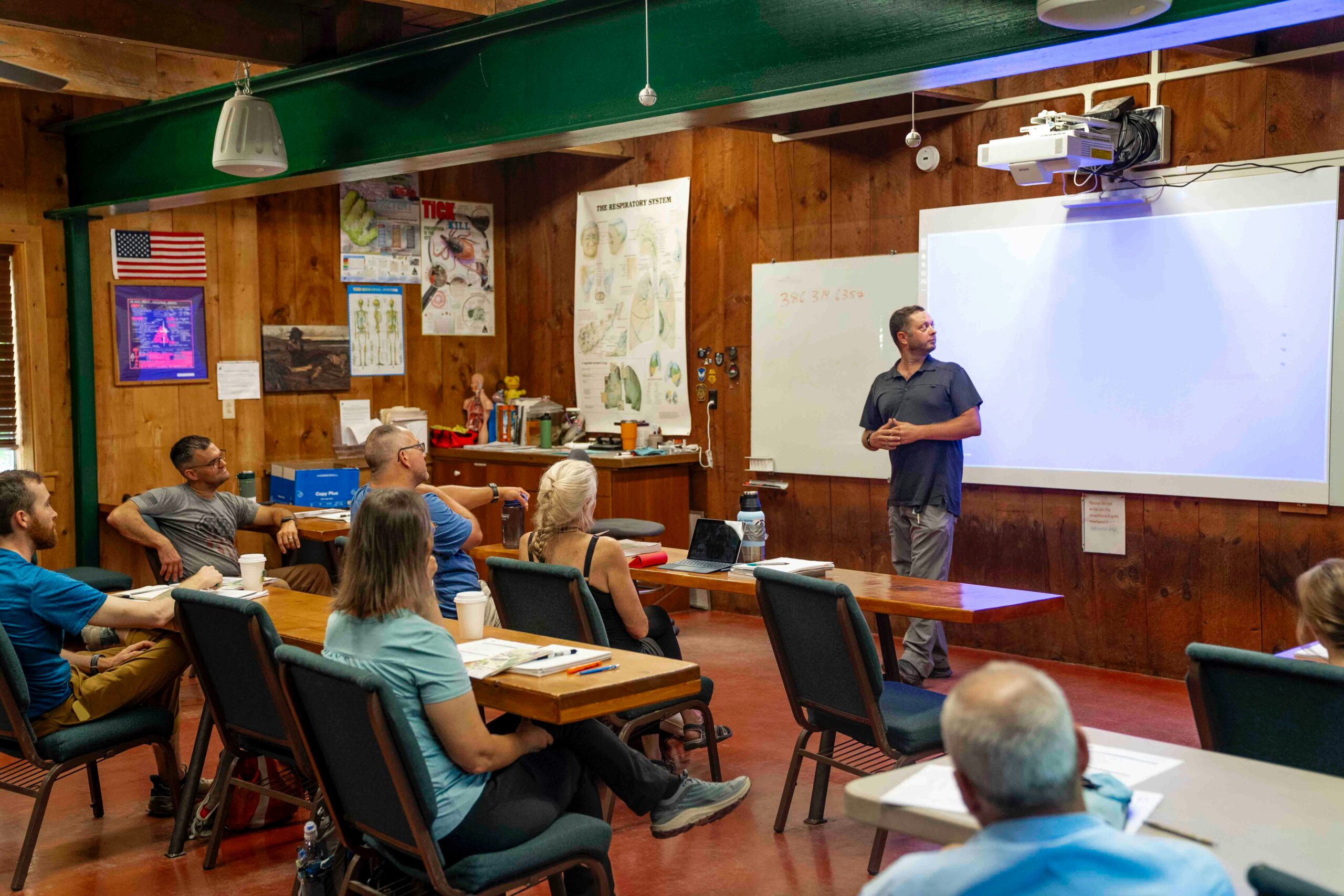
A specialist coding AI school students programme in Wolverhampton is helping excluded pupils rediscover education through personalised learning and technology-focused skills.
The School of Coding and AI offers an alternative pathway for students who no longer attend mainstream school. As a result, it provides tailored support that focuses on both academic progress and personal development.
Importantly, the initiative shows how flexible education models can unlock potential. Therefore, it highlights a growing shift toward skills-based learning in the UK.
Coding AI School Students Benefit from Personalised Learning
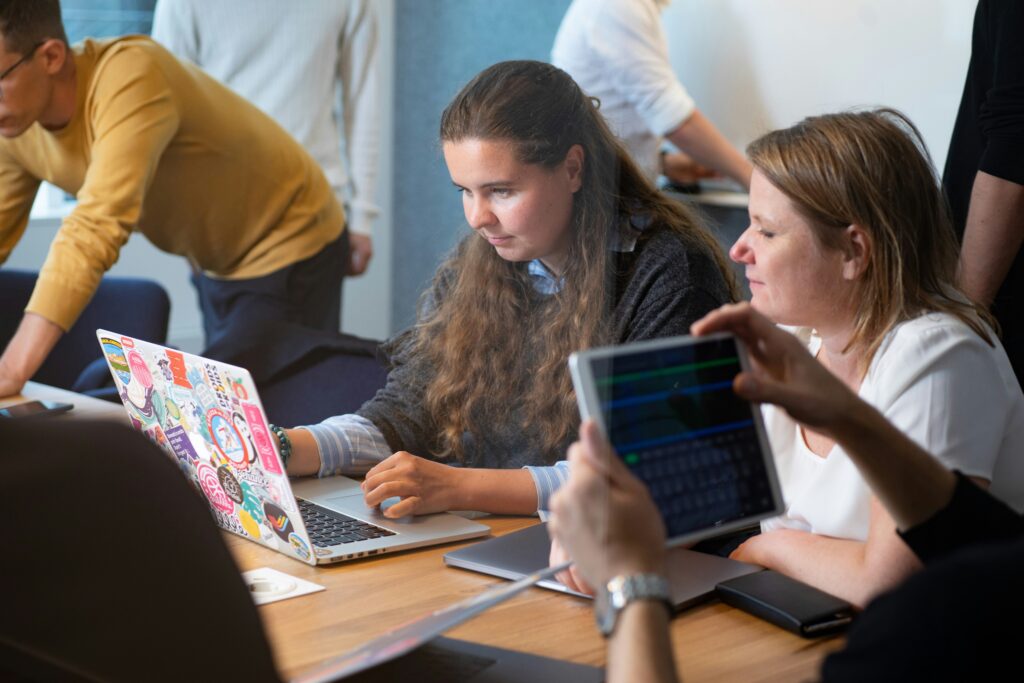
The coding AI school students approach centres on individual learning plans. When students join, staff assess their needs and create a bespoke timetable. Consequently, each learner receives targeted support that reflects their strengths and challenges.
Because class sizes are smaller, teachers can offer more one-to-one attention. As a result, students often re-engage with education more effectively than in traditional settings.
Nina Bhambra, Alternative Education Provision Lead, explained that the goal is to give students ownership of their learning. Therefore, the school encourages young people to explore subjects that match their interests.
In addition to core GCSE and A-Level subjects, the school offers creative courses such as game design. This approach helps students build both technical and creative skills. Consequently, learners can see clear pathways into future careers.
Technology Skills Opening New Opportunities
The coding AI school students model places strong emphasis on digital skills. Students learn coding, artificial intelligence and game development, which are increasingly valuable in today’s job market.
For example, one student, Wren, has developed new confidence through hands-on learning. He now studies programming alongside core subjects and is considering a future in technology.
Furthermore, exposure to higher education pathways, such as visits to universities, helps students understand long-term opportunities. As a result, they can make more informed decisions about their futures.
This focus on digital skills aligns with broader workforce trends. For instance, demand for AI and tech capabilities continues to grow, as highlighted in our coverage of Innovate UK Tech Support Boosts Jobs and Apprenticeships. Therefore, early exposure to these skills can improve long-term career prospects.
Addressing Rising Exclusion Rates
The need for alternative education provision is increasing. Recent data shows that school exclusions and suspensions in England have reached their highest levels since 2006.
Because of this, alternative provision schools play a critical role. They support students who face challenges such as behavioural issues, health conditions or mental health difficulties.
Importantly, government guidance states that exclusion should be a last resort. However, when it occurs, tailored support becomes essential to ensure students continue learning.
A New Approach to Education and Inclusion
The coding AI school students initiative demonstrates how education can adapt to meet diverse needs. By combining personalised learning with technology skills, the model helps students rebuild confidence and re-engage with education.
Moreover, the approach supports inclusion by recognising that traditional systems do not work for everyone. Therefore, alternative provision can play a key role in shaping future education models.
Overall, as the UK continues to invest in digital skills and innovation, programmes like this highlight how education and technology can work together to create new opportunities for the next generation.