The West Midlands jobs funding boost of £50 million aims to drive economic growth, support innovation and create new employment opportunities across the region.
The funding, delivered through the Local Innovation Partnerships Fund (LIPF), will strengthen engineering capabilities and support businesses in key sectors such as manufacturing, health and life sciences. As a result, the investment is expected to accelerate both innovation and job creation.
Crucially, the programme forms part of a wider national effort to scale regional innovation ecosystems. Therefore, the West Midlands continues to position itself as a leading hub for advanced industry and technology.
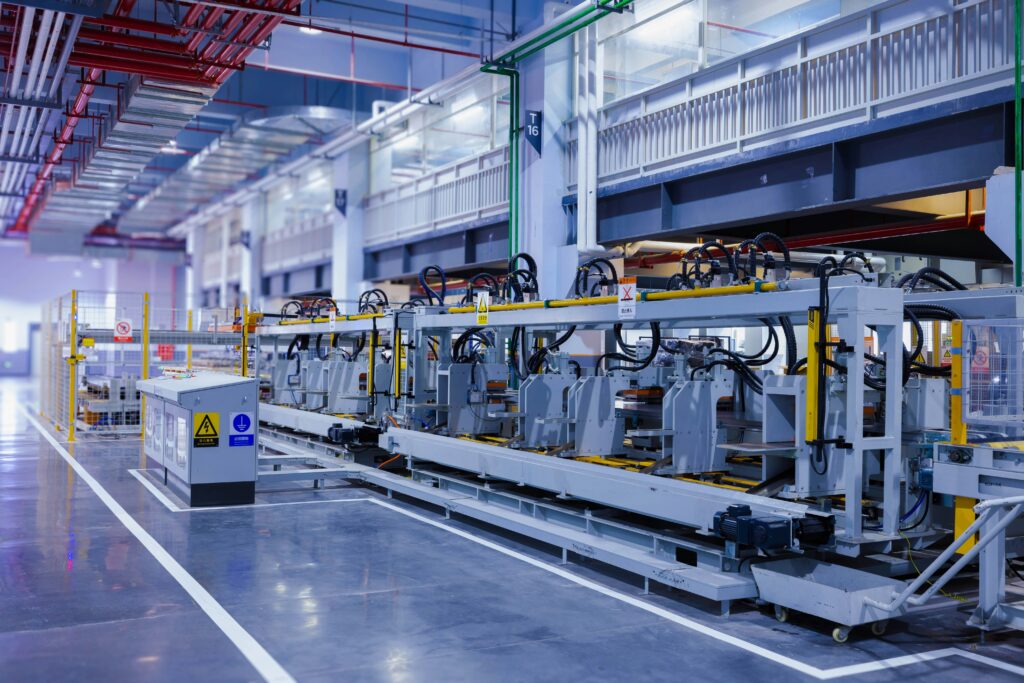
West Midlands Jobs Funding Strengthens Key Sectors
The West Midlands jobs funding will focus on expanding capacity in high-growth industries. In particular, engineering innovation will support advancements in healthcare, diagnostics and clean energy.
Because these sectors rely heavily on research and development, the funding will help bridge the gap between innovation and commercial deployment. Consequently, businesses can bring new technologies to market more efficiently.
The Local Innovation Partnerships Fund, backed by the Department for Science, Innovation and Technology and UK Research and Innovation, aims to align regional strengths with national priorities. As a result, the funding supports both local economic growth and wider industrial strategy goals.
Mayor Richard Parker said
“The investment reflects the region’s long-standing innovation heritage.”
Furthermore, he highlighted how modern technologies are transforming industries, from smarter healthcare systems to sustainable energy solutions.
Building on Regional Innovation Momentum
The West Midlands jobs funding builds on previous investment through the Innovation Accelerator programme. Earlier funding of £43 million supported more than 1,500 businesses and attracted £78 million in private investment.
Therefore, the latest £50 million allocation represents a continuation of that momentum. By combining public funding with private sector engagement, the region can scale innovation more effectively.
In addition, the West Midlands Innovation Board continues to play a key role in coordinating efforts across industry, academia and government. Consequently, collaboration remains central to the region’s growth strategy.
This progress also aligns with broader regional trends. For example, Midlands businesses are already seeing measurable gains from adopting advanced technologies, as highlighted in our coverage of Midlands AI Adoption Drives Profit Growth. Together, these developments reinforce the region’s position as a leading innovation hub.
Driving Jobs, Skills and Economic Growth
Beyond innovation, the West Midlands jobs funding aims to create high-quality employment opportunities. As new technologies scale, demand for skilled workers will increase across engineering, digital and life sciences sectors.
Therefore, the investment supports both job creation and long-term skills development. In turn, this will help build a more resilient and competitive regional economy.
Mike Wright, Chair of the West Midlands Innovation Board, said
“The region has already established a strong reputation for innovation. However, continued investment remains essential to maintaining that position.”
A Stronger Future for the West Midlands
Overall, the West Midlands jobs funding represents a significant step toward strengthening the region’s innovation ecosystem. By investing in key sectors and supporting businesses, the programme aims to deliver lasting economic impact.
As global competition intensifies, regions that combine research, investment and collaboration will lead the next phase of growth. Therefore, this funding positions the West Midlands to remain at the forefront of the UK’s technology and industrial future.